A Journey Grounded in Teaching and Learning
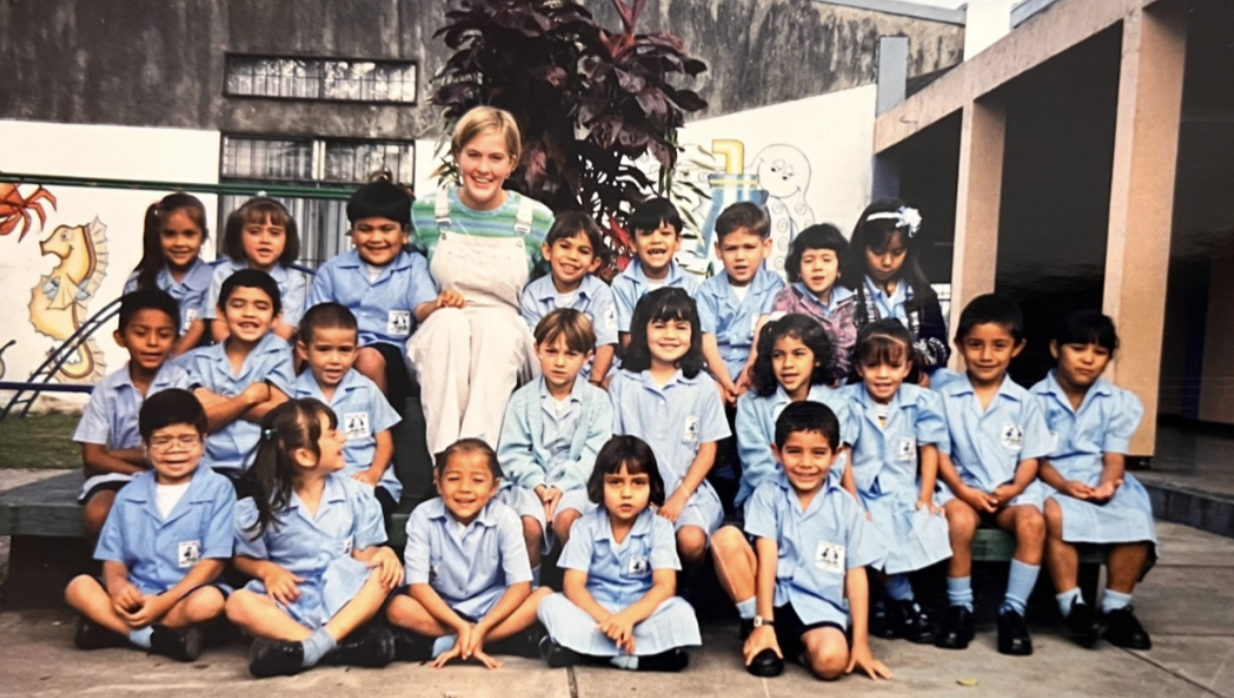
I believe teaching is, at its heart, a deeply human practice. My journey as an educator began in Costa Rica, where I taught English to kindergarteners and discovered how much learning depends on curiosity, trust, connection, and the courage to communicate across differences. That experience became the beginning of a career spanning more than two decades in education.
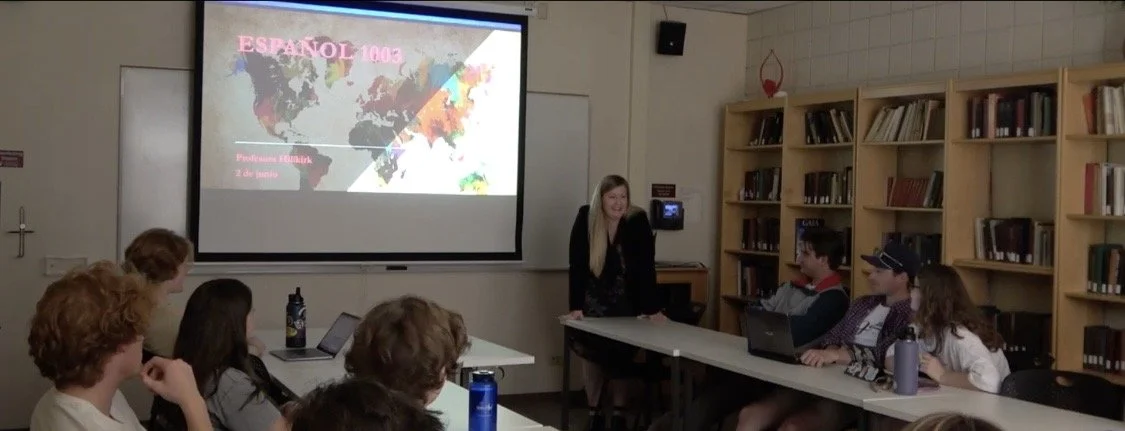
Since then, I have taught learners at nearly every stage of their educational journeys—from kindergarten, middle school, and high school to undergraduate and doctoral education. I spent 12 years teaching secondary Spanish, served as a World Languages Department Chair, taught undergraduate Spanish at the University of Denver, and worked with preservice and practicing educators in doctoral-level coursework. Each setting has asked something different of me, but one truth has remained constant: students want to feel seen, heard, valued, and intellectually challenged.
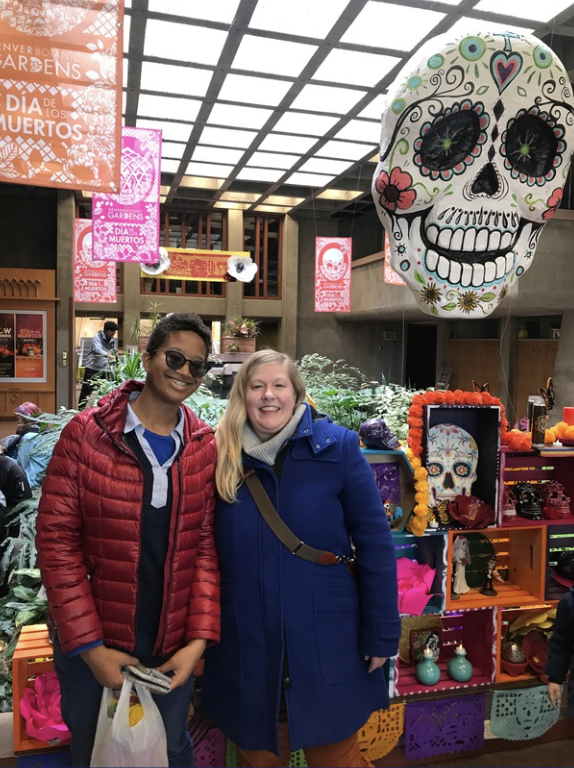
I do not believe rigor and relationality are mutually exclusive. Students thrive when they encounter meaningful challenges within learning environments that are also welcoming, responsive, and grounded in respect. Across my teaching, I strive to create spaces in which students experience belonging while developing the confidence to take risks, ask questions, and engage deeply with new ideas. Experiential and culturally grounded learning have always been central to my practice. Whether students are celebrating El Día de los Muertos, exploring the cultural contexts that shape a language, or connecting classroom learning to their own lives, I want education to feel living and meaningful. Learning another language is not simply about communicating in a new way; it is an invitation to encounter other cultures, perspectives, and ways of understanding the world.
My cross-cultural experiences in Thailand, Costa Rica, and Spain profoundly shaped how I understand teaching, learning, and human connection. They taught me to approach difference with curiosity and humility and showed me how transformative it can be to see the world through another cultural lens. In our increasingly interconnected world, the ability to communicate and build relationships across linguistic and cultural differences is both extraordinary and essential.
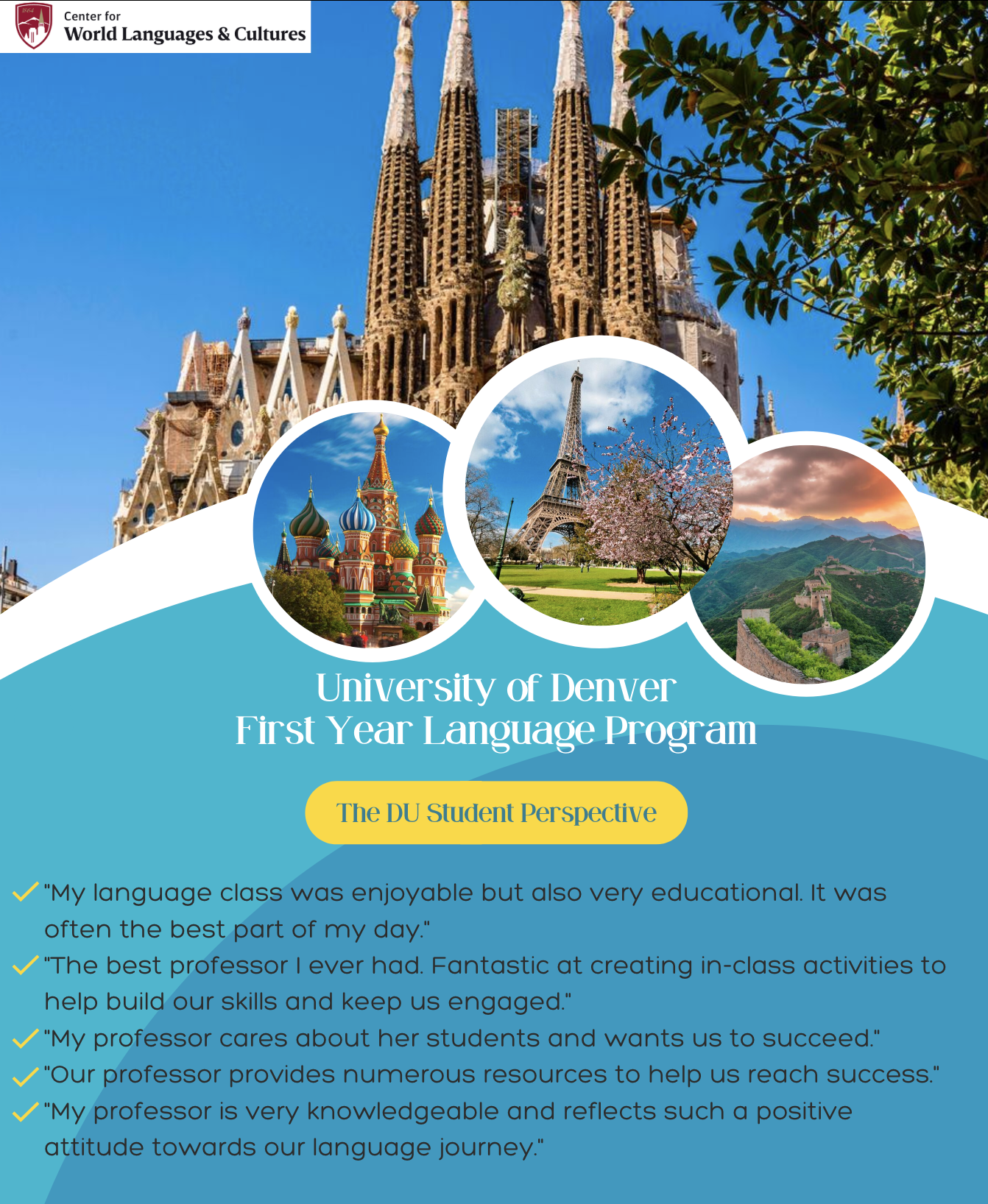
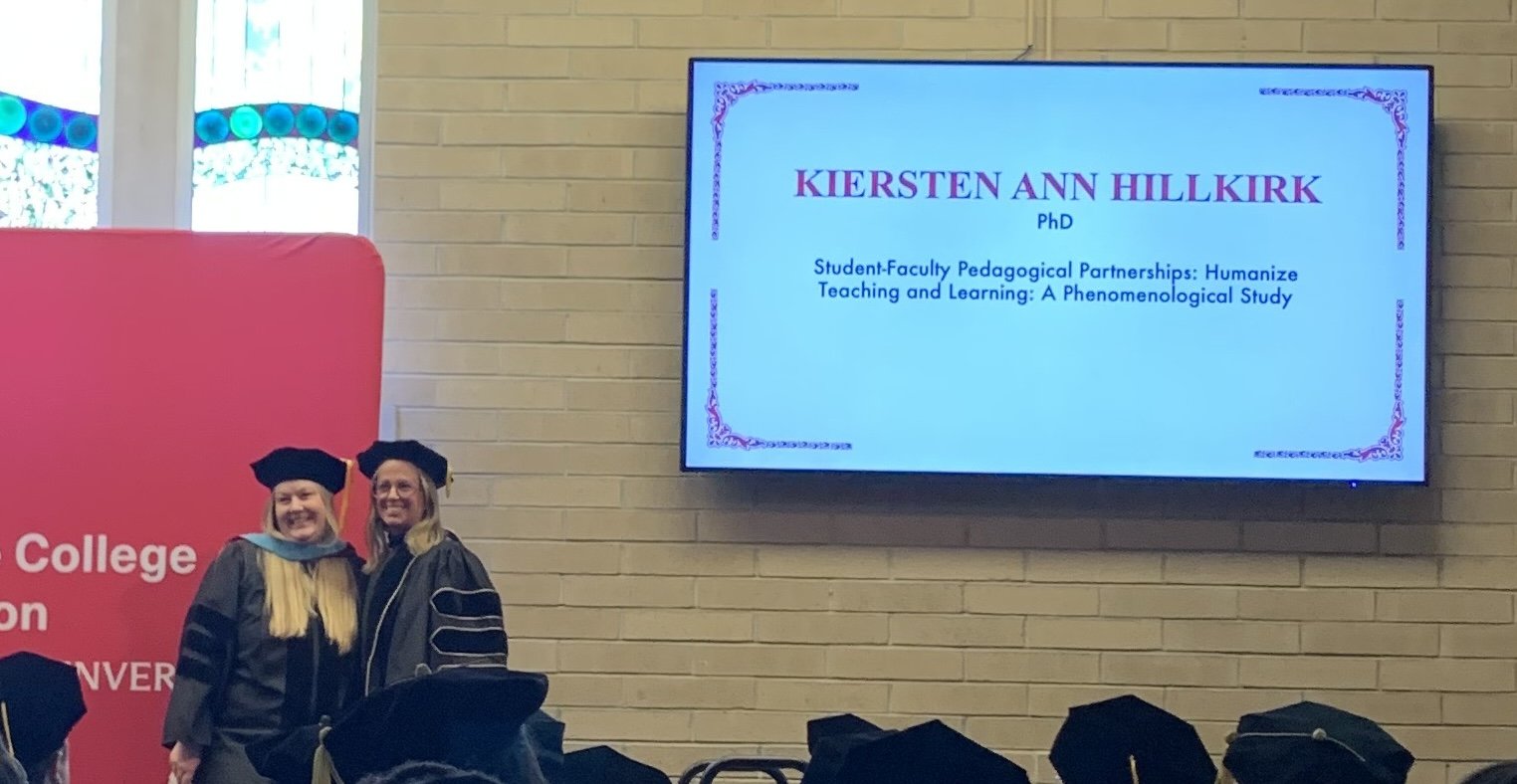
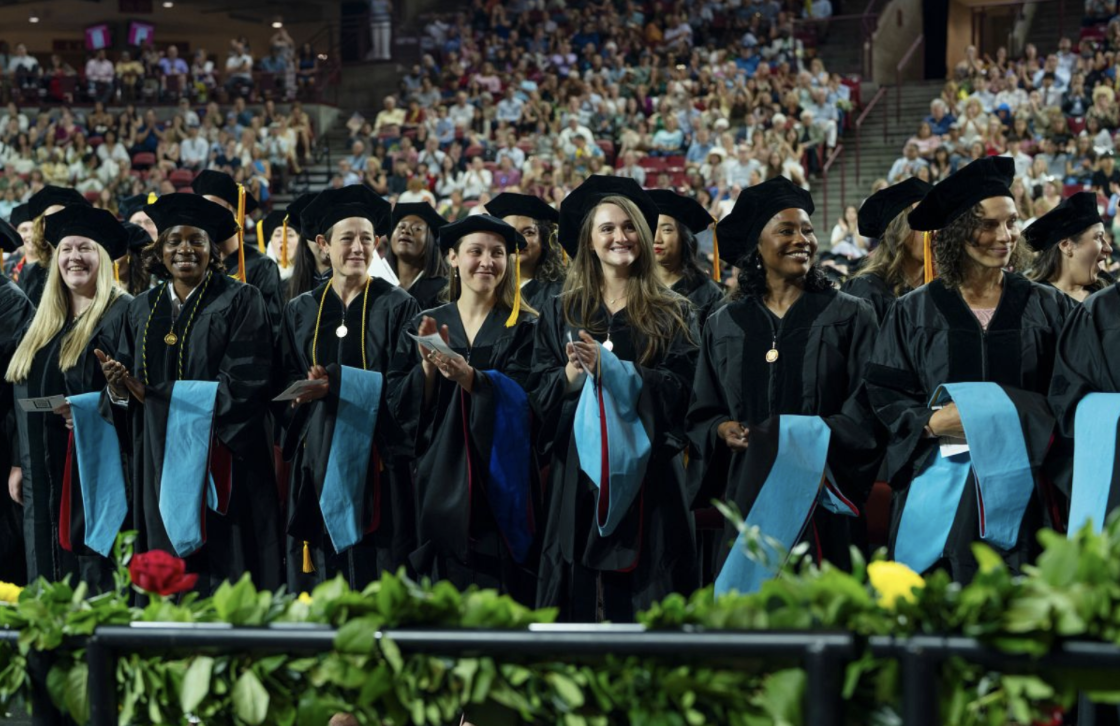
On June 12, 2026, I graduated from the University of Denver with a Ph.D. in Curriculum and Instruction. My doctoral work brought my experience as a practitioner into conversation with theory and research. My dissertation, which explored how student–faculty pedagogical partnerships can humanize teaching and learning, grew from a question that has followed me throughout my career: How can we create educational experiences in which students are not merely recipients of learning but valued participants in shaping it?
Today, I bring together my identities as an educator, scholar, and collaborator. My work encompasses humanizing pedagogy, student–faculty partnership, inclusive and culturally responsive teaching, experiential learning, language education, and the preparation and support of educators. Across each dimension of my work, I remain committed to creating learning experiences that honor students as people, invite them into meaningful intellectual work, and help them recognize their capacity to contribute.
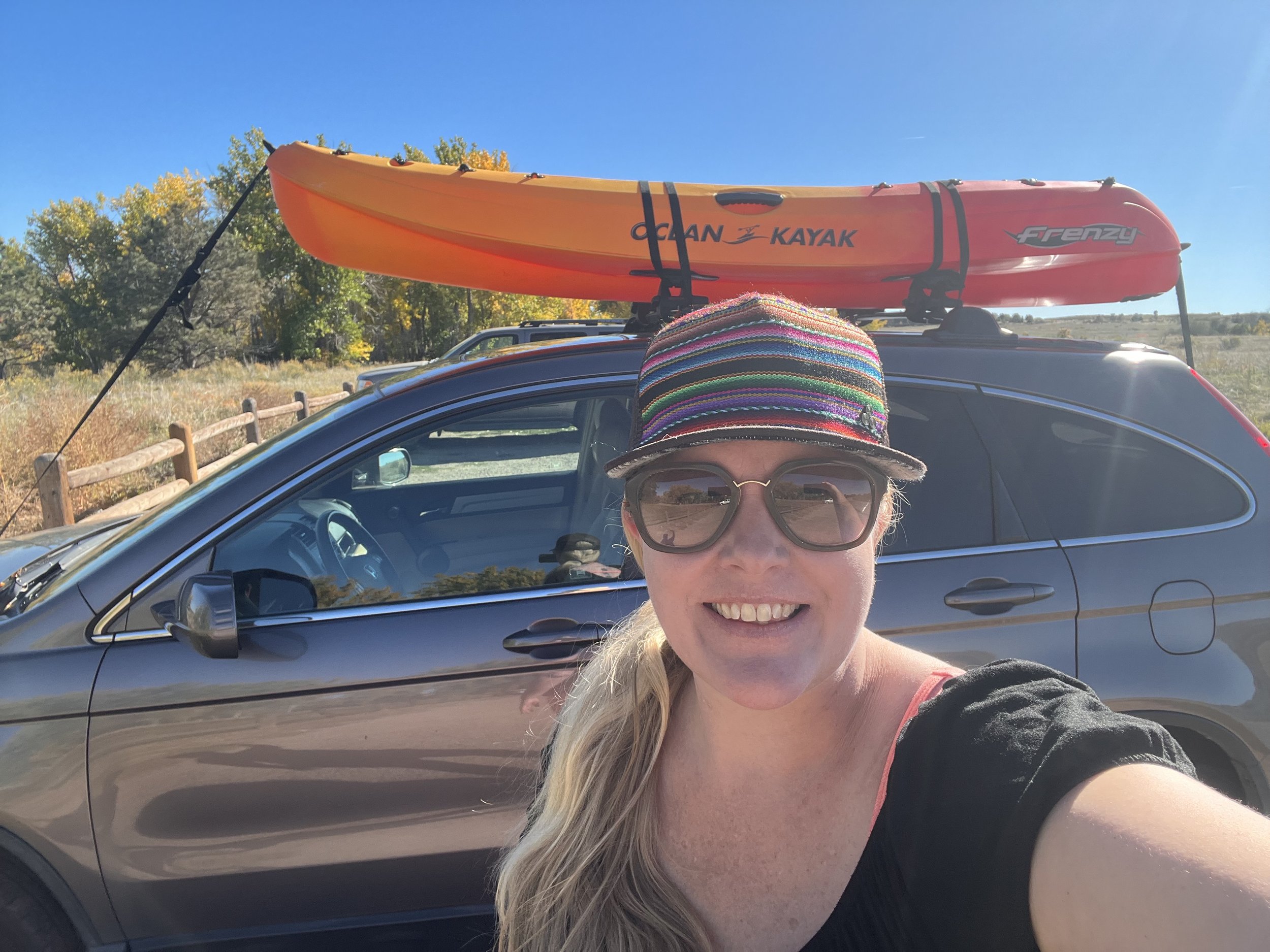
Outside of teaching and scholarship, I enjoy spending time with family, reading, listening to music, and traveling. I find renewal outdoors—especially kayaking and exploring Colorado’s natural beauty.